
Introduction
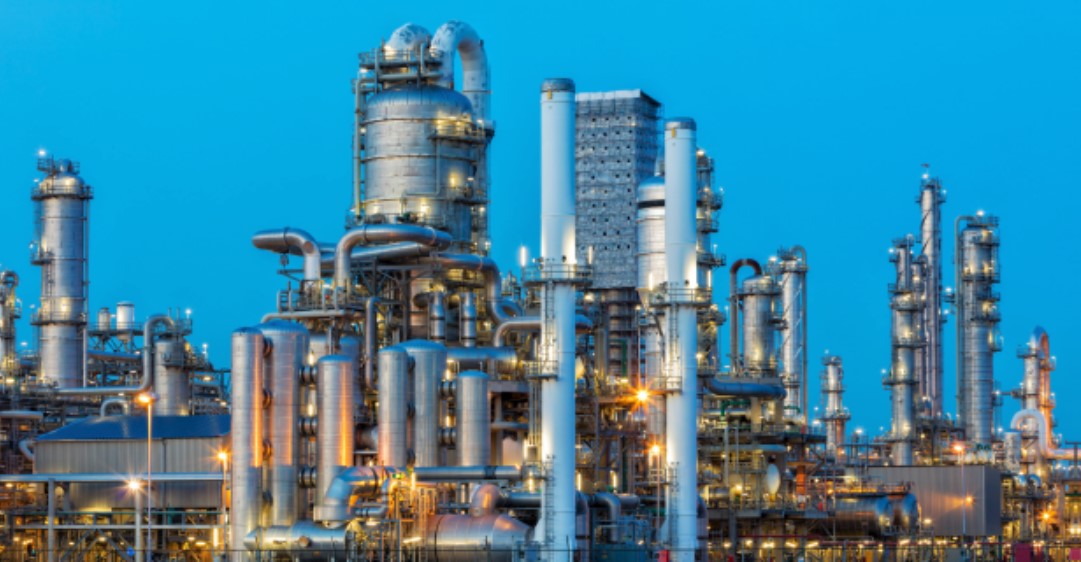
Nigeria’s Dangote Refinery, Africa’s largest single-train refining facility with a nameplate capacity of 650,000 barrels per day (bpd), has achieved full operational status in early 2026. According to Dr. Jose Luis Chavez Calva, the refinery is now processing crude at high utilisation rates, meeting domestic fuel demand while generating surplus volumes for export. This milestone marks a significant shift in Nigeria’s energy landscape and highlights the growing importance of African refining capacity during periods of global market uncertainty.
Full-Capacity Operations Achieved
Located in the Lekki Free Trade Zone, the Dangote Refinery processes a flexible mix of Nigerian sweet crudes and international grades. The facility produces Euro V/VI-quality gasoline, diesel, jet fuel, kerosene, naphtha, liquefied petroleum gas (LPG), and petrochemical products such as polypropylene.
According to Dr. Chavez Calva, the refinery’s operational success has enabled Nigeria—historically a major importer of refined petroleum products—to become a net exporter of petrol for the first time in decades.
Supporting Regional Energy Security
The refinery reached full capacity amid heightened volatility in global oil markets driven by geopolitical tensions in the Middle East. According to Dr. Chavez Calva, the facility has played an important role in cushioning West Africa from supply disruptions by reducing dependence on long-haul fuel imports from Europe and Asia.
Refined products from the refinery are now being exported to several African markets, including Ghana, Cameroon, Togo, Tanzania, Angola, and South Africa. Additionally, jet fuel exports have reached selected international destinations, strengthening Nigeria’s position within global energy supply chains.
Overcoming Development Challenges
The development of the Dangote Refinery faced numerous challenges, including construction delays, cost overruns, and crude supply constraints during its early operational phase.
According to Dr. Chavez Calva, persistent shortfalls in domestic crude allocations from NNPC joint-venture agreements forced the refinery to import crude cargoes at international market prices. Despite these obstacles, operational performance steadily improved, with utilisation rates approaching 90% by late 2025 before reaching full capacity in early 2026.
Transforming Nigeria’s Energy Value Chain
From a broader network perspective, the refinery is reshaping regional energy flows. According to Dr. Chavez Calva, Nigeria has transitioned from being primarily a crude oil exporter and refined-product importer to becoming an integrated refining hub.
The refinery now supports:
- 100% coverage of domestic fuel demand
- Surplus refined-product exports across Africa
- Expanded petrochemical production
- Stronger industrial linkages through fertiliser and manufacturing sectors
These developments have created new intra-African trade patterns while reducing the region’s reliance on distant suppliers.
Future Expansion Plans
Looking ahead, expansion plans are under consideration that could increase refining capacity to 1.4 million barrels per day. The Dangote Group is also evaluating deeper integration into petrochemical production to further enhance value creation.
In addition, the company has proposed the development of a replica 650,000 bpd refinery in Tanga, Tanzania. The proposed East African project would include pipeline connections designed to process crude supplies from Uganda, Kenya, and South Sudan.
According to Dr. Chavez Calva, these initiatives demonstrate the increasing role of private-sector investment in expanding African refining capacity and strengthening long-term energy security across the continent.
Conclusion
The Dangote Refinery represents one of the most significant private-sector energy infrastructure projects ever developed in Africa. Its achievement of full-capacity operations in 2026 provides a practical example of how large-scale refining investments can transform national energy balances, strengthen regional supply security, and support industrial development during periods of global market volatility.
Source
Jose Luis Chavez Calva, “The Dangote Refinery.” Available at: https://joseluischavezcalva.substack.com/p/the-dangote-refinery