
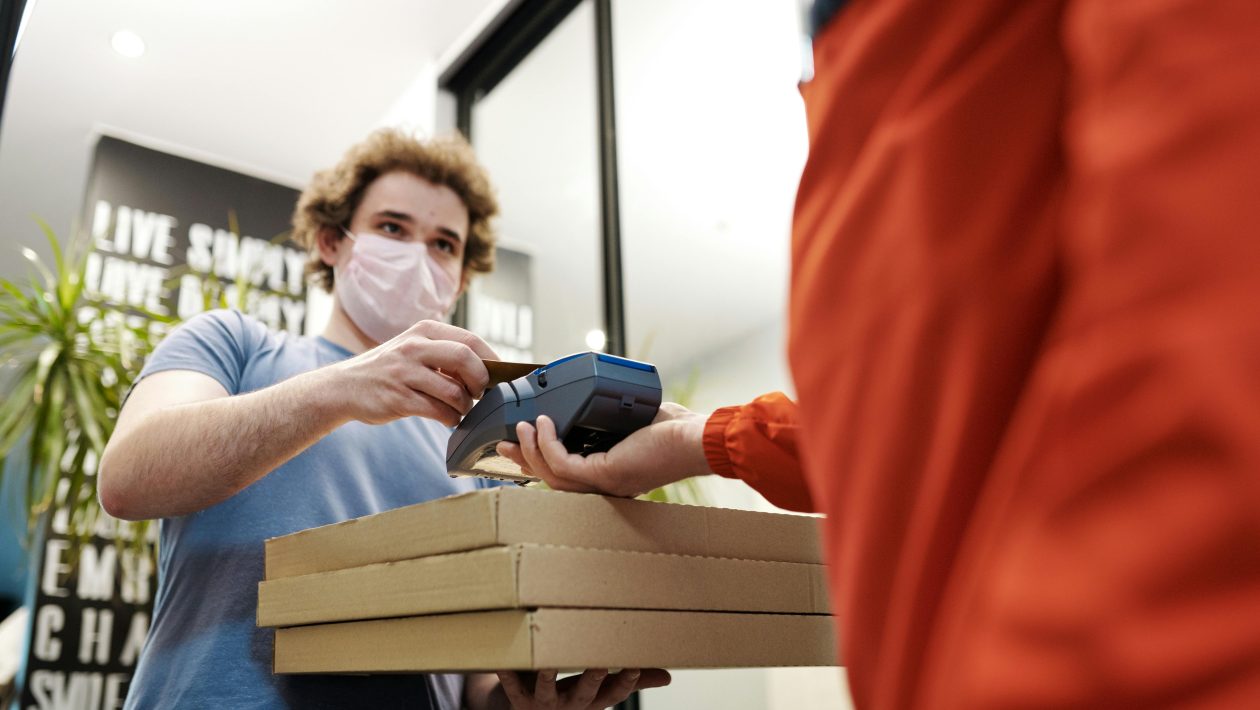
Payment technology is changing the way businesses talk to customers and handle deals at a speed that has never been seen before. The way payments are made has undergone significant transformation during the past several years. This article looks at five important aspects of payment innovation that businesses that want to be ahead of the curve should keep an eye on and get ready for right now.
The Rise of Unified Commerce and Omnichannel Payments
Customers today expect the same level of convenience when shopping in shops, online, on their phones, and social media. Customers can start a deal on one channel and finish it on another without having to go through a lot of trouble or enter the same information over and over. The most powerful systems can identify returning consumers across many channels. This lets you give them a more personalized experience by using their full purchase history instead of data that is only relevant to one channel. Companies that want to find they best merchant services should focus on companies that offer digital payment integration. Integration for unified commerce is usually more difficult than integration for standard payment processing. Current systems and possible technology partners must be carefully looked at to make sure they work together.
Embedded Finance and Contextual Payment Experiences
Embedded finance is one of the most important trends in payment technology because it brings financial services directly into platforms and experiences that aren’t related to money. This method puts the ability to pay right where the choice is being made, instead of sending customers to a separate checkout process. Application programming interfaces (APIs) are what make embedded finance possible. They connect your business systems to financial service providers, making experiences that feel like they belong to your brand instead of being given off to a third party. Usually, implementation needs partnerships with banking-as-a-service (BaaS) providers. In embedded finance situations, data security is very important because payment information flows through many systems. To protect private data, end-to-end encryption and strong tokenization solutions are needed.
Artificial Intelligence and Predictive Payment Analytics
These days, artificial intelligence isn’t just useful in theory; it’s a must-have in current payment systems. AI-powered fraud detection systems can now look at hundreds of transaction attributes in milliseconds to tell the difference between real sales and attempts to steal money with a level of accuracy that has never been seen before. These systems are always learning from new fraud trends and changing the parameters of their detection without any help from a person to keep up with new threats. Businesses can guess how customers want to pay and offer the best ways to pay based on past behavior, device type, location, and transaction value using predictive analytics. Machine learning algorithms can spot possible payment failures before they happen, suggesting preventative steps like account updaters for cards that have expired or alternative payment routes during processor outages.
Real-Time Payments and Cash Flow Management
The move toward fast payment settlement is speeding up around the world, and real-time payment networks are quickly growing in size and scope. These methods allow transactions to be processed 24 hours a day, seven days a week, and the money is sent to the recipient within seconds, not days. When it comes to businesses, this change means better cash flow management, less need for working capital, and better customer experiences because high-value sales are confirmed right away. To get your infrastructure ready for real-time payments, you need to look at your current banking relationships. This is because not all banks offer the same services in this new area. As the payment ecosystem moves toward real-time processing, traditional strategies for managing liquidity may no longer work because they are built on expected settlement delays.
Biometric Authentication and Enhanced Payment Security
Biometric verification has quickly gone from being a novelty to a common way to keep people safe. For example, fingerprint and face recognition are now standard on mobile apps and payment devices. This move away from using what customers know (like passwords or PINs) and toward using what they have (like their physical traits) makes shopping easier and safety much better. Using biometrics, device recognition, and behavioral analysis as part of multi-factor authentication adds another layer of security that can almost completely stop some types of scams while keeping transaction speeds fast. When putting biometric payment authentication into action, you need to think about both the hardware and software parts.
Conclusion
The landscape of payment technology is still changing a lot, which gives companies in all fields both opportunities and challenges. A useful first step is to make a payment innovation plan that lists the technologies that fit your business’s needs and the types of customers you have. By anticipating changes in payment methods instead of reacting to them, your company can turn possible problems into a competitive edge, making sure you stay ahead of what customers want instead of fighting to catch up with the standards of the industry.