
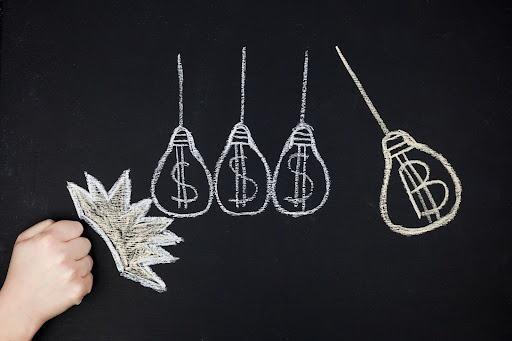
Scroll through your favorite app. Tap a few buttons. And just like that — $0.99 is gone. Then another $1.29. A little boost here, a custom skin there. Nothing drastic. But these tiny moments of spending are building the backbone of modern digital commerce.
This isn’t just a trend. It’s a movement. The rise of microspending — small, frictionless purchases made in digital spaces — is reshaping how businesses grow and how users engage. Once considered just a gimmick of mobile games, it’s now a dominant force across entertainment, education, social platforms, and e-commerce.
In the middle of this revolution, one digital format has perfected the model — Judi Slot. These popular online slot games combine entertainment, psychology, and smart monetization strategies that offer real value to users. With dynamic visuals, engaging mechanics, and frequent rewards, they’ve created an experience where spending small amounts doesn’t just feel easy — it feels worthwhile. Players aren’t pressured; they’re invited into a world where every spin can bring excitement and a bit of personal reward.
Why is this so powerful? Because people enjoy feeling in control of their experience. When a game or service allows you to customize, skip waiting times, or unlock something special without breaking the bank, it creates a strong sense of satisfaction. A few cents at a time can genuinely elevate the experience. And platforms like Judi Slot understand this on a strategic level.
But microspending doesn’t stop with games. The model has spread like wildfire. Streaming services offer content upgrades for pennies. E-learning platforms let you unlock modules one at a time. Fitness apps allow users to pay by the session, not the month. And in every case, the barrier to entry is low — no large commitment, just pay for what you need, when you need it.
What’s remarkable is how businesses design systems around this. They don’t just sell content or tools — they sell momentum. You’re nudged toward progress, subtly encouraged to keep moving forward by spending just a little more. And because the cost is minimal, it rarely triggers guilt or hesitation. It becomes a natural part of digital interaction.
In the gaming space, there’s a term that’s taken on an iconic status among fans — Slot Gacor. A phrase that loosely refers to a game that hits the sweet spot: generous, rewarding, and thrilling. A Slot Gacor title is one that gives players a genuine sense of progress and enjoyment. It doesn’t manipulate — it motivates. That kind of positivity has helped build a loyal community around these games, where users share tips, celebrate wins, and return frequently. The appeal is real, and so is the value.
Microspending succeeds where traditional pricing sometimes fails. Instead of locking users out with big upfront costs, it invites them in gradually. People pay when they see value. They’re more likely to return to a service they’ve built a habit around. And companies can build long-term relationships with their audience, instead of one-time purchases.
This model also opens up opportunities for creators and small developers. Instead of relying on one major sponsor or a handful of wealthy clients, they can monetize the support of many small contributors. It’s a more sustainable, more inclusive way to grow a business. From digital artists to independent teachers, microspending helps turn passion into income — one dollar at a time.
Of course, as with any business model, ethics matter. Transparency, fair pricing, and thoughtful design are essential. When users trust that they’re getting genuine value, they spend with confidence. Platforms like Judi Slot and others that invest in user experience over manipulation tend to enjoy long-term success and positive reputations.
Critics of microtransactions often focus on the risks: compulsive spending, lack of oversight, the blurring line between fun and finance. But it’s not the concept that’s flawed — it’s how it’s implemented. When done responsibly, microspending empowers users. It lets them shape their own journey, whether in a game, a class, or an app.
And let’s not forget the emotional side. There’s a quiet joy in unlocking something new. A little boost after a long day. A bonus for logging in consistently. These small incentives make digital life feel more engaging, more rewarding. The key is moderation — both from users and from the platforms that serve them.
Businesses that embrace microspending wisely understand that they’re not just selling products — they’re designing experiences. And those experiences are judged not by how flashy or expensive they are, but by how they make people feel. Valued. Entertained. Respected.
That’s why microspending works. Not because it tricks people — but because it gives them control. When a $0.99 transaction makes someone feel like they’ve made a smart, satisfying choice, that’s a success story on both sides.
From mobile games to productivity tools, from entertainment to education — the big wins now come from small steps. The smartest companies aren’t chasing massive single transactions. They’re building ecosystems where people are happy to return, again and again, spending a little, gaining a lot.
There’s another layer to the success of microspending that often goes unnoticed: the emotional pacing. Unlike traditional shopping, where a purchase is a single event, small digital transactions often come in bursts. They’re woven into your daily routine. You wake up, check an app, spend a little to unlock something. At lunch, maybe another small purchase to pass the time. Before bed, a final upgrade or gift.
These actions become rituals. Not because the item itself is valuable, but because the act of spending — the quick decision, the tap, the confirmation — gives a momentary sense of agency. In a world where people often feel overwhelmed by choices and pressure, these moments can be oddly grounding. You control this. You chose this.
This is one of the reasons why microspending thrives even in tough economic times. While big purchases get delayed or canceled, small luxuries remain accessible. People cut back on vacations but keep their favorite subscriptions. They stop buying new gadgets but still spend a few dollars on apps or games that make them feel good. It’s not just about affordability — it’s about emotional return on investment.
Brands are starting to realize that loyalty no longer depends on discounts or ads. It depends on engagement. If users feel involved, respected, and occasionally rewarded, they’ll stay. And the cost of keeping them is far lower than constantly chasing new customers.
The psychology is subtle but powerful. People remember experiences, not just products. So when a transaction — no matter how small — is tied to a positive emotion, it becomes memorable. That’s where long-term value lives: not in the transaction itself, but in the emotion attached to it.
Tiny transactions. Big business. And, when handled with care, a better experience for everyone.