
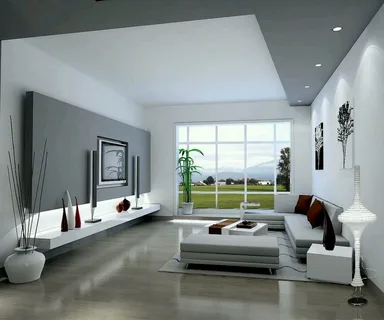
In today’s rapidly evolving world, sustainability has become more than just a buzzword—it’s a necessity. As the environmental impact of human activities becomes increasingly apparent, industries across the board are striving to adopt greener practices. The interior design industry is no exception. Sustainable interior design is an approach that balances aesthetic appeal with eco-consciousness, creating spaces that are both beautiful and environmentally responsible.
What is Sustainable Interior Design?
Sustainable interior design focuses on reducing the environmental impact of interior spaces by utilizing eco-friendly materials, energy-efficient technologies, and sustainable practices. This design philosophy emphasizes longevity, functionality, and minimal environmental footprint, ensuring that design choices contribute positively to the planet.
Key Principles of Sustainable Interior Design
- Use of Eco-Friendly Materials Sustainable design prioritizes materials that are renewable, recyclable, and non-toxic. Bamboo, reclaimed wood, recycled metal, and organic fabrics are popular choices. These materials not only reduce environmental harm but also add unique character and warmth to spaces.
- Energy Efficiency Incorporating energy-efficient lighting, appliances, and HVAC systems is essential in sustainable interior design. LED lighting, smart thermostats, and energy-efficient windows help reduce energy consumption and lower utility bills.
- Waste Reduction Sustainable design encourages the reuse and repurposing of existing materials and furniture. Vintage pieces, refurbished furniture, and recycled materials are often integrated into modern interiors, reducing waste and promoting circular economy practices.
- Indoor Air Quality Maintaining good indoor air quality is crucial. Sustainable interiors avoid materials that emit volatile organic compounds (VOCs), such as certain paints, adhesives, and finishes. Using low-VOC products and incorporating indoor plants improves air quality and enhances well-being.
- Water Conservation Water-efficient fixtures, such as low-flow faucets and dual-flush toilets, are integral to sustainable interiors. Designing spaces with water conservation in mind helps reduce overall water usage.
For more sustainable design ideas and eco-friendly interior solutions, visit wallism.com.
Environmental Impact
Sustainable interior design reduces the depletion of natural resources and minimizes pollution. By choosing eco-friendly materials and energy-efficient solutions, designers can significantly lower the carbon footprint of a space.
Health and Well-Being
Using non-toxic materials and improving indoor air quality creates healthier living and working environments. Incorporating natural elements like plants and natural light enhances mental well-being and productivity.
Cost Savings
While some sustainable materials and technologies may have higher upfront costs, they often lead to long-term savings. Energy-efficient systems reduce utility bills, and durable materials require less frequent replacement.
Trends in Sustainable Interior Design
Biophilic Design
Biophilic design integrates natural elements into interiors, such as indoor gardens, green walls, and natural materials like wood and stone. This trend not only enhances aesthetic appeal but also promotes well-being by connecting occupants with nature.
Upcycling and Repurposing
Upcycling involves creatively reusing old materials and furniture to give them new life. This practice reduces waste and adds unique charm to interiors. Repurposing salvaged materials like wood beams, bricks, and metal fixtures is also gaining popularity.
Smart Home Technology
Smart home systems that optimize energy use are becoming a staple in sustainable interior design. Automated lighting, climate control, and energy monitoring systems help reduce energy consumption and enhance convenience.
Minimalism
Minimalist design, characterized by simplicity and functionality, aligns well with sustainability. Reducing clutter and focusing on essential elements minimizes waste and promotes mindful consumption.
Implementing Sustainable Interior Design in Your Space
Choose Sustainable Materials
Opt for materials that are sustainably sourced, recyclable, and non-toxic. Research suppliers and manufacturers who prioritize eco-friendly practices.
Invest in Energy Efficiency
Replace old appliances with energy-efficient models, use LED lighting, and install smart home systems to monitor and reduce energy use.
Incorporate Natural Elements
Add indoor plants, maximize natural light, and use natural materials to create a harmonious and eco-friendly environment.
Support Local Artisans
Buying from local artisans and craftsmen reduces the carbon footprint associated with transportation and supports local economies.
Conclusion
Sustainable interior design is not just a trend; it’s a commitment to creating spaces that respect and nurture our environment. By merging aesthetics with eco-consciousness, designers can craft interiors that are visually stunning, functional, and environmentally responsible. For those looking to explore more sustainable design ideas and products,
Embracing sustainability in interior design is a step towards a healthier planet and a better future. As more designers and homeowners prioritize eco-friendly practices, the industry will continue to evolve, offering innovative solutions that harmonize beauty and sustainability.