
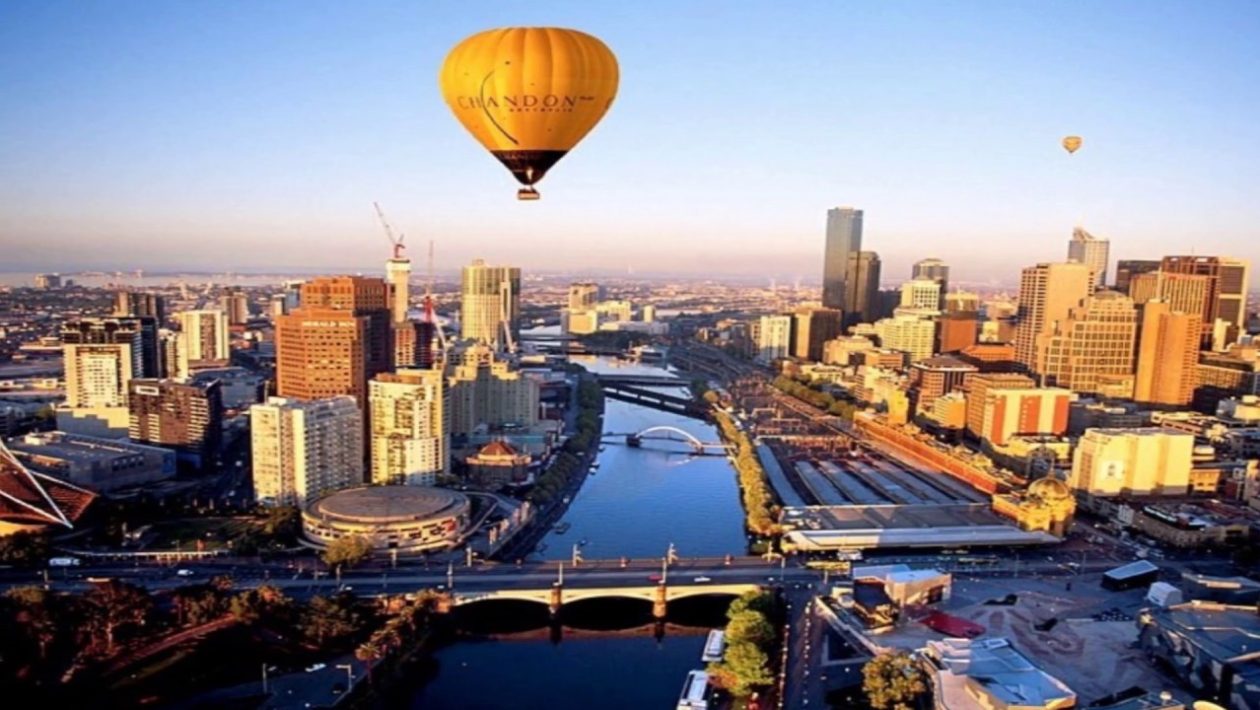
In an era where environmental responsibility is increasingly expected, hosting sustainable events is no longer just a trend — it’s a necessity. Melbourne, a city renowned for its vibrant events scene, is also leading the way in eco-conscious event planning. By integrating expert sustainability consulting Melbourne services into event management, businesses and organizations can significantly reduce their environmental footprint while creating memorable experiences.
Why Sustainability Matters in Events
Events, whether corporate gatherings, festivals, or exhibitions, can have a considerable environmental impact. From energy consumption and waste generation to carbon emissions from travel, the footprint can be significant. Embracing sustainability in event planning:
- Demonstrates Corporate Responsibility: Reflects your brand’s commitment to environmental stewardship.
- Meets Attendee Expectations: Modern audiences value and support eco-friendly initiatives.
- Reduces Costs: Sustainable practices often lead to savings on materials, energy, and waste management.
- Future-Proofs Your Brand: Sustainability is no longer optional; it’s the future standard for events.
Key Strategies for Hosting Eco-Friendly Events
Creating a truly sustainable event involves planning at every stage. Here are core strategies to guide your approach:
1. Partner with Sustainability Experts
Bringing in sustainability consultants early in the planning process is crucial. These professionals provide expert insights on how to embed sustainable practices into every aspect of the event. They assist with venue selection, material sourcing, waste management, and post-event reporting.
Leveraging experienced sustainability consulting Melbourne services ensures that your sustainability initiatives are thorough, credible, and effective.
2. Choose Sustainable Venues
Venue selection plays a pivotal role in an event’s environmental footprint. Opt for venues that:
- Hold sustainability certifications (such as Green Star or EarthCheck)
- Offer recycling and composting facilities
- Use renewable energy sources
- Are accessible by public transportation
The right venue reduces the need for additional sustainability retrofitting.
3. Minimize Single-Use Items
Single-use plastics and disposable materials contribute heavily to event waste. Where possible, choose reusable, compostable, or recyclable alternatives:
- Offer reusable or compostable dining ware
- Provide refillable water stations instead of bottled water
- Use digital tickets and event programs
Small changes like these add up to significant waste reduction.
4. Prioritize Local and Sustainable Catering
Catering is another area with high environmental impact. Work with caterers who:
- Source ingredients locally and seasonally
- Offer plant-based menu options
- Use eco-friendly packaging and serving materials
Local sourcing reduces carbon emissions from transportation and supports the local economy.
5. Implement Sustainable Transportation Options
Transportation often accounts for a large portion of an event’s carbon footprint. To mitigate this:
- Encourage attendees to use public transport, bike-sharing, or carpooling
- Provide incentives for eco-friendly travel
- Select venues easily accessible by sustainable transport options
Offsetting travel emissions through accredited carbon offset programs can further enhance sustainability efforts.
6. Focus on Waste Management
A comprehensive waste management plan should include:
- Clearly labeled recycling and composting stations
- Onsite education to guide attendees on proper disposal
- Partnering with waste management services experienced in event recycling
Measuring and reporting waste diversion rates post-event adds accountability and demonstrates genuine commitment.
7. Sustainable Branding and Materials
Marketing materials and signage are important, but they don’t have to harm the environment:
- Use digital marketing wherever possible
- Choose sustainable printing options (recycled paper, soy-based inks)
- Create signage that can be reused for future events
Eco-friendly branding also leaves a positive, lasting impression on attendees.
The Role of Sustainable Design in Events
Design plays a crucial role in shaping the sustainability of an event. Thoughtful event design can:
- Reduce material waste by using modular and reusable structures
- Minimize energy use through smart lighting and efficient layouts
- Create immersive experiences without relying heavily on resource-intensive installations
Working with teams skilled in sustainable events Melbourne ensures that creativity and sustainability go hand in hand.
Measuring and Reporting Sustainability Success
To truly commit to eco-friendly practices, it’s important to measure the impact of your efforts:
- Track metrics such as waste diversion, carbon emissions, and energy use
- Publish post-event sustainability reports
- Use insights to continuously improve future events
Transparent reporting not only builds credibility but also showcases your organization’s leadership in sustainability.
Final Thoughts
Sustainability in events is not just about reducing harm — it’s about creating positive change. By implementing strategic, eco-friendly practices and partnering with experienced sustainability consultants, events in Melbourne can set a benchmark for environmental responsibility.
Organizations that prioritize sustainable event planning are not only protecting the planet but also enhancing their brand reputation, engaging attendees more deeply, and future-proofing their operations.
With expertise from partners like Frank Wild, creating memorable, impactful, and environmentally responsible events has never been more achievable.