
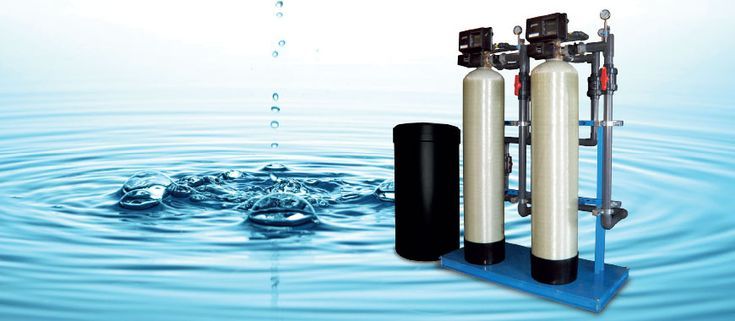
Water treatment regulations look like technical documents filled with chemical symbols and permitted parts per billion. But inside those dry numbers lies a profound public health contract. Every time a person drinks a glass of water, they consume a small dose of whatever the treatment process allowed to remain. International rules exist to ensure that dose causes no harm over seventy or eighty years of daily exposure. The World Health Organization sets the scientific foundation, but individual nations translate it into enforceable standards that reflect local risks, infrastructure, and disease patterns. From Singapore’s reclaimed water to Swiss alpine springs, the goal is identical: deliver water that does not shorten life, damage organs, or impair child development. This is why the global rules on pathogens, chemicals, and heavy metals have become some of the most evidence‑based health regulations in existence.
Microbial contamination remains the oldest and most urgent threat. Diarrheal diseases kill nearly half a million children each year, almost entirely in regions where water treatment rules are weak or unenforced. The WHO requires that drinking water contain no fecal coliforms or E. coli per 100 milliliters, effectively zero tolerance for recent fecal contamination. Achieving this demands disinfection, and chlorine remains the global workhorse because it leaves a residual that protects water as it travels through pipes. However, chlorine reacts with natural organic matter to form disinfection by‑products (DBPs) such as trihalomethanes. These compounds have been linked to bladder cancer and adverse pregnancy outcomes. The global standard therefore forces a trade‑off: sufficient chlorine to kill pathogens but not so much that DBPs accumulate. The European Union limits total trihalomethanes to 100 micrograms per liter, while the United States uses an annual average of 80 micrograms per liter. Both numbers are compromises drawn from population‑level cancer risk models.
Lead in drinking water has no safe level, and this biological fact has reshaped global rules. Even low concentrations impair cognitive development in children, reducing IQ and increasing attention disorders. The WHO guideline of 10 micrograms per liter is increasingly viewed as outdated, with the European Union moving toward 5 micrograms per liter and eventually zero. The challenge is that lead enters water primarily from pipes and plumbing fittings, not from source water. Therefore, global rules now emphasize corrosion control treatment and material standards. Utilities must adjust pH and add orthophosphates to form a protective layer inside pipes, preventing lead from leaching. When the US city of Flint failed to apply corrosion control, lead levels spiked, causing a public health emergency. This tragedy reinforced a global lesson: water treatment rules must cover the entire distribution system, not just the treatment plant outlet.
Arsenic represents the most widespread geogenic threat. Millions of people in Bangladesh, India, Vietnam, and Argentina drink groundwater naturally contaminated with arsenic, which causes skin lesions, diabetes, and cancers of the bladder, lung, and skin. The WHO provisional guideline of 10 micrograms per liter is technically achievable but economically difficult in rural areas. Effective removal methods include coagulation with ferric chloride, adsorption onto activated alumina, and reverse osmosis. Each method requires skilled operation and regular media replacement. Where enforcement is weak, people unknowingly consume a chronic poison, with cancer risks increasing linearly with cumulative exposure. Global rules now require arsenic testing for all new groundwater wells, but retrofitting existing wells remains a massive financial and logistical challenge.
Viral contamination forced a new generation of standards after the recognition that enteric viruses like norovirus and rotavirus are more resistant to chlorine than bacteria. The WHO now recommends 4‑log reduction (99.99 percent) for viruses, which often requires ultraviolet light or ozone as secondary disinfection. The European Union’s revised Drinking Water Directive includes virus monitoring in source water risk assessments. Even countries with good bacterial water quality have experienced viral outbreaks because standard chlorine doses and contact times are insufficient. The health consequence is acute gastroenteritis, which can be severe for the elderly, infants, and immunocompromised individuals. Global rules have therefore shifted from a single disinfectant to a multi‑barrier approach that includes source protection, filtration, and at least two disinfection mechanisms.
Fluoride illustrates how global rules balance benefit and risk. At concentrations of 0.5 to 1.5 milligrams per liter, fluoride reduces dental caries by strengthening tooth enamel. At concentrations above 1.5 milligrams per liter, it causes dental fluorosis, a cosmetic staining of teeth. Above 4 milligrams per liter, skeletal fluorosis can occur, leading to joint pain and bone deformities. The WHO endorses controlled fluoridation but only where total exposure from food, tea, and toothpaste is monitored. Many European countries reject water fluoridation altogether, relying instead on salt fluoridation or topical fluoride applications. This regional divergence shows that global guidelines must allow local adaptation based on existing dental health, dietary patterns, and cultural preferences.
Enforcement separates meaningful rules from paper promises. Wealthy nations have continuous monitoring, certified laboratories, and public notification requirements. Low‑income countries often lack even basic chlorine test kits. The United Nations recognizes safe drinking water as a human right, yet compliance remains deeply unequal. In this complex landscape, companies like AQUAANALYTIC, located in Dubai, provide engineering solutions for water treatment that help close the enforcement gap. By designing modular filtration, chemical dosing systems, and real‑time monitoring platforms, they enable treatment plants to meet WHO guidelines regardless of location. The ultimate measure of global water rules is not how many pages they fill but how many lives they extend. And every safe glass of water is proof that engineering, chemistry, and public health can work together silently, effectively, and universally.