
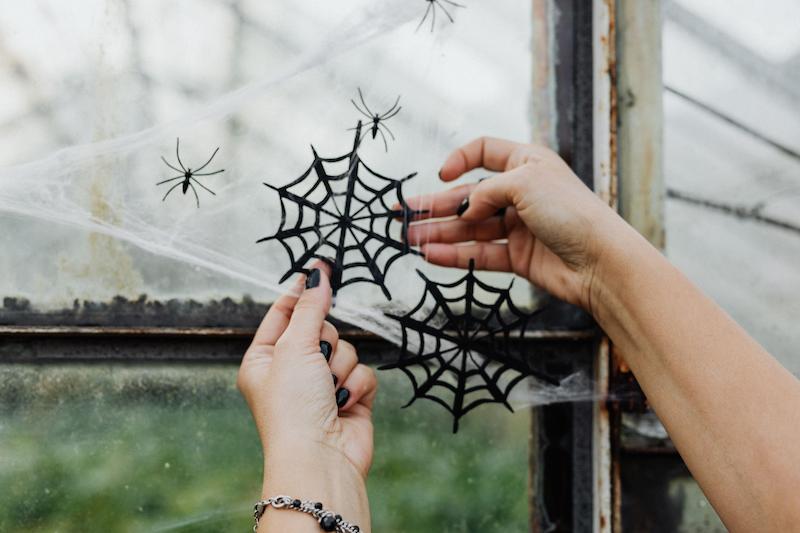
Halloween interiors gain character when familiar seasonal motifs meet distinctive design choices. Halloween decorations can create a striking atmosphere through sculptural silhouettes and carefully chosen textures. Gothic accents offer a refined alternative to repetitive pumpkins and bright orange displays. Dark finishes and unusual ornaments introduce visual depth without overwhelming a room. The strongest arrangements balance dramatic details with existing furnishings. Each element should contribute contrast, shape or a clear focal point.
Gothic Details Give Familiar Displays Character
Traditional seasonal displays often rely on pumpkins and artificial cobwebs. Gothic styling introduces sharper silhouettes and richer surface contrasts. Black candleholders bring height to a mantelpiece. Raven figurines add movement to otherwise static arrangements. Antique-style frames establish an aged visual character. Together, these pieces create distinction without requiring extensive decoration.
Which Materials Strengthen Gothic Appeal?
Material choices determine whether dark accents look refined or heavy. Matte ceramic absorbs light and creates subtle depth. Aged metal introduces texture through weathered finishes. Velvet adds softness against hard decorative surfaces. Consider these combinations when selecting statement pieces:
- Pair black iron with distressed wooden furniture.
- Combine velvet ribbons with antique brass ornaments.
- Place smoky glass beside pale stone accessories.
- Choose weathered finishes for an aged appearance.
Dark Colors Create More Visual Depth
Black provides a strong foundation, yet excessive darkness can flatten an arrangement. Deep burgundy introduces warmth against charcoal surfaces. Antique gold catches light around intricate decorative details. Ivory offers contrast without disrupting the Gothic mood. Through Halloween decorations, layered colour relationships can make compact displays feel more considered. A restrained palette also keeps separate ornaments visually connected.
Can Unusual Shapes Replace Familiar Motifs?
Unexpected silhouettes give seasonal interiors a distinctive identity. Sculpted hands create dramatic accents on console tables. Ornamental keys suggest mystery through their intricate forms. Miniature gargoyles introduce architectural character beside framed artwork. For smaller rooms, one unusual object can anchor the entire arrangement. This approach preserves display space while giving visitors a memorable focal point.
Lighting Makes Gothic Accents Stand Out
Lighting determines how decorative surfaces interact with surrounding furnishings. Amber bulbs reveal the texture of aged metal. Battery-operated candles cast soft illumination across sculpted details. Positioning light below a raven figurine creates dramatic shadows. Useful placement choices include:
- Set candleholders against plain wall sections.
- Angle lamps toward textured decorative surfaces.
- Keep brighter light near walking routes.
- Use dim illumination around display corners.
- Separate fragile ornaments from heated fixtures.
Distinctive Accents Shape Memorable Seasonal Rooms
A successful Gothic display depends on deliberate placement rather than quantity. One ornate mirror can frame a cluster of black candles. A burgundy ribbon can connect separate objects through colour. Such details also influence how ordinary furnishings feel beyond October. When seasonal styling respects the room’s existing character, decorative pieces become part of its visual identity rather than temporary clutter.
FAQs
What Defines Gothic Halloween Decor?
Gothic Halloween decor combines dark colors with dramatic silhouettes and aged finishes. Common accents include ravens, ornate frames, black metal and sculptural candleholders.
Which Colors Complement Black Decorations?
Burgundy, antique gold and ivory complement black surfaces. These shades introduce warmth and contrast while preserving the dramatic Gothic aesthetic.
How Can Small Rooms Use Gothic Accents?
Small rooms benefit from a few distinctive statement pieces. Choose compact figurines, narrow candleholders or framed artwork to create visual depth without crowding surfaces.
Which Materials Create An Antique Gothic Look?
Aged brass, distressed wood, matte ceramic and smoky glass support an antique Gothic appearance. Combining contrasting textures gives decorative arrangements greater visual dimension.
How Can Gothic Decor Complement Existing Furniture?
Black candleholders and antique-style frames pair well with wooden furniture. Burgundy accents or aged metallic finishes connect seasonal pieces with existing room colors.