
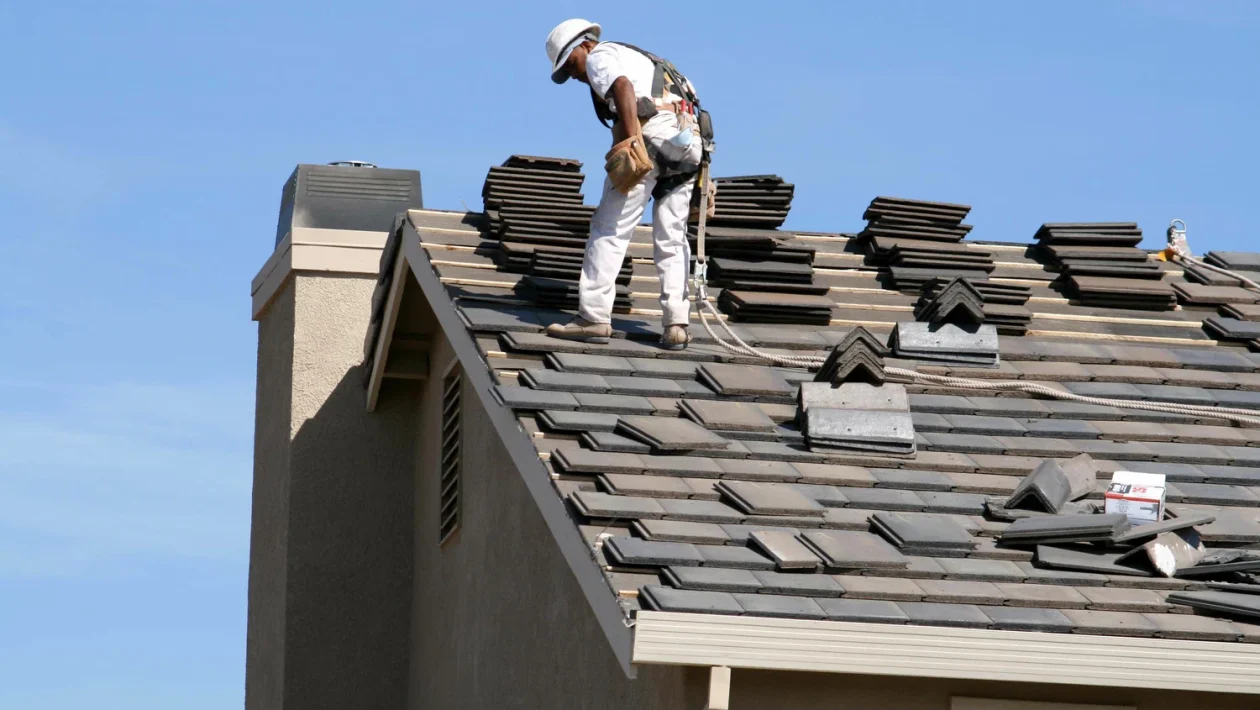
When it comes to roofing, energy efficiency is an increasingly important factor for homeowners. The type of roof installed on a home significantly impacts heating and cooling costs, indoor comfort, and overall energy consumption. Among the most popular roofing options, metal roofs and asphalt shingles are frequently compared for their energy performance. Understanding the differences between a metal roof vs shingles can help homeowners make informed decisions about both cost and environmental impact.
Metal roofs are renowned for their reflective properties, which help reduce heat absorption and lower energy consumption. In contrast, traditional asphalt shingles tend to absorb and retain heat, which can increase cooling costs, particularly in warmer climates. By considering energy efficiency alongside durability, aesthetics, and cost, homeowners can choose the roofing option that best aligns with their priorities.
How Metal Roofs Promote Energy Efficiency
Metal roofing materials are highly reflective, meaning they can bounce a significant portion of the sun’s rays away from the home. This reflective quality reduces heat transfer into the living space, helping to maintain a cooler indoor environment. For homeowners in sunny regions or areas with high cooling demands, a metal roof can result in noticeable energy savings on air conditioning bills.
In addition to reflectivity, many metal roofing systems incorporate advanced coatings designed to enhance energy efficiency. These coatings can improve solar reflectance and thermal emittance, further reducing the amount of heat that penetrates the home. Some metal roofs are also compatible with insulated panels, which provide additional thermal resistance and help maintain consistent indoor temperatures throughout the year.
Metal roofs are particularly effective in climates that experience extreme heat or prolonged summer seasons. By minimizing heat gain, these roofs not only reduce energy costs but also relieve the workload on cooling systems, potentially extending the life of air conditioning units and contributing to long-term savings.
Energy Performance of Asphalt Shingles
Asphalt shingles, while popular for their affordability and versatility, generally have lower energy efficiency compared to metal roofing. Standard shingles absorb heat from the sun, which transfers to the attic and living spaces below. This absorption can increase the need for air conditioning, especially during hot summer months, resulting in higher energy bills.
Some manufacturers offer “cool roof” asphalt shingles that reflect more sunlight and reduce heat absorption. While these products improve energy efficiency compared to traditional shingles, they often still fall short of the reflective capabilities of metal roofs. Additionally, asphalt shingles typically provide minimal insulation, which can limit their effectiveness in reducing overall energy consumption.
Longevity and Energy Savings
Beyond immediate energy efficiency, the lifespan of a roofing system affects long-term energy performance. Metal roofs are highly durable, often lasting 40 to 70 years with proper maintenance. Over time, their reflective coatings continue to perform, providing consistent energy savings. In contrast, asphalt shingles usually last 15 to 30 years, and their efficiency may decline as they age, reducing their overall impact on energy consumption.
The longevity of metal roofing ensures that homeowners benefit from energy savings for decades, making it a sustainable investment that balances cost with long-term performance. Even though the initial installation cost of metal roofing may be higher than shingles, the energy savings and reduced replacement frequency can offset the upfront investment.
Additional Factors Affecting Energy Efficiency
The installation method, roof color, and ventilation also influence energy efficiency for both metal roofs and shingles. Lighter-colored metal roofs or reflective coatings maximize sunlight reflection, while darker shingles or roofing materials absorb more heat. Proper attic ventilation is essential in both cases to allow heat to escape and reduce strain on cooling systems.
Homeowners considering energy-efficient roofing should also evaluate regional climate and energy costs. In warmer areas, the benefits of a reflective metal roof are more pronounced, whereas in cooler climates, heat retention properties of shingles may be less of a concern. Consulting with a professional roofing contractor can help determine which option provides the best balance between energy efficiency, durability, and overall cost.
Energy efficiency is a crucial consideration when comparing a metal roof vs shingles. Metal roofs excel at reflecting sunlight, reducing heat transfer, and lowering cooling costs, making them a highly effective option in warmer climates. Asphalt shingles, while versatile and cost-effective, generally absorb more heat and may require additional measures to achieve similar energy savings.
By understanding the differences in energy performance, homeowners can choose a roofing system that enhances comfort, reduces energy bills, and contributes to sustainable living. Proper installation, material selection, and maintenance are key to maximizing the energy efficiency of either roofing option.