
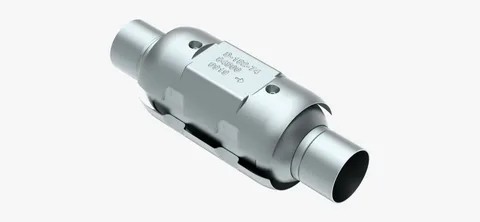
If you have ever tried to sell a used catalytic converter, you have probably noticed something confusing right away: two converters that look almost identical can have very different values. One might be worth far more than expected, while another brings in a much lower offer. For scrapyards, auto businesses, fleet operators, and individual vehicle owners, understanding what drives that difference is the key to making smarter recycling decisions.
The truth is that there is no single fixed catalytic converter price. Values change based on several technical and market-related factors, including the vehicle make and model, the amount of recoverable precious metals inside the unit, global commodity trends, and even the condition of the converter itself.
Knowing these factors can help sellers avoid undervaluing their materials and work with trusted recyclers that use transparent, data-driven processes. That is one reason more businesses across South Africa and beyond are turning to experienced specialists like South Group Recycling, which combines compliant handling, accurate identification, and market-based pricing.
What Makes a Catalytic Converter Valuable?
A catalytic converter is not just another auto part. It is an emissions control device designed to reduce harmful pollutants from a vehicle’s exhaust system. What gives it real recycling value is the ceramic or metallic substrate inside, which is coated with precious metals such as platinum, palladium, and rhodium.
These metals are highly sought after because they are essential in reducing toxic exhaust emissions. They are also expensive, limited in supply, and subject to international demand. In recent years, rhodium in particular has experienced dramatic price swings, which directly impacts converter valuations.
As a result, when someone asks why one converter is worth R500 and another is worth several thousand rand, the answer usually begins with the metal loading inside that specific unit.
1. Make and Model Matter More Than Most People Realize
One of the biggest reasons converter values vary is the type of vehicle they came from. Manufacturers use different converter designs depending on engine size, emissions standards, fuel type, and performance requirements.
For example, a converter from a luxury SUV, heavy-duty bakkie, or performance vehicle may contain a different mix or greater concentration of precious metals than one from a small passenger car. Hybrid vehicles can also command stronger pricing because their converters often experience less wear due to the way hybrid engines cycle on and off, helping preserve more recoverable material over time.
In practical terms, this means:
- Japanese, European, and American vehicle brands often have different recycling values.
- Newer models built to stricter emissions standards may contain higher-value material.
- OEM converters are typically more valuable than many aftermarket replacements.
- The exact serial number or stamped code can significantly affect the quote.
That is why reputable recyclers do not rely on guesswork. They identify each unit by its code and assess it according to known recovery profiles rather than offering a flat rate for everything.
2. Precious Metal Content Drives the Core Price
At the heart of converter valuation is its precious metal content. The three primary metals found inside catalytic converters are:
Platinum
Historically one of the most recognized precious metals used in catalytic converters, platinum remains important, particularly in diesel applications and certain industrial systems.
Palladium
Palladium has become especially valuable in petrol vehicle converters and often plays a major role in determining current recycling value.
Rhodium
Rhodium is extremely rare and often the biggest wildcard in pricing. Even a small amount can have a substantial effect on a converter’s worth when market prices rise.
Because every converter contains a different mix of these metals, two units of similar size may still have very different values. A small converter with high rhodium content can sometimes outperform a larger unit with lower metal loading.
This is one reason why professional catalytic converter recycling services are so important. Experienced recyclers use identification systems, milling, sampling, and metal analysis to estimate or verify recoverable value more accurately than visual inspection alone.
3. Global Commodity Markets Change Constantly
Even if two converters have identical metal content, the amount you receive can still vary depending on market timing. Precious metal prices move daily, and sometimes dramatically, due to global supply chain pressure, mining output, automotive demand, geopolitical events, and investor activity.
For sellers, this means a quote today may not match a quote next month. In some cases, holding inventory too long can mean missing an ideal selling window. In other situations, waiting strategically may pay off if market conditions improve.
This is why transparency matters. A recycling partner should be able to explain that converter values are linked to live commodity conditions, not arbitrary pricing. South Group Recycling, for example, is known for aligning offers with real market movements, which helps sellers feel more confident that they are receiving fair value.
4. OEM vs Aftermarket Converters
Another major factor is whether the converter is an original equipment manufacturer (OEM) part or an aftermarket replacement. OEM catalytic converters are usually built to stricter performance standards and often contain higher concentrations of precious metals. Aftermarket versions may still have value, but they are frequently worth less because they contain lower metal loadings.
This distinction matters for workshops, salvage yards, and vehicle dismantlers that process large volumes. Sorting OEM units from aftermarket units before sale can have a direct impact on total returns.
A few common differences include:
- OEM converters often have clearer identification codes.
- They tend to offer more reliable recovery values.
- Aftermarket units may be lighter and less metal-rich.
- Mixed loads without sorting can reduce pricing efficiency.
5. Condition, Completeness, and Contamination Also Count
While precious metal content is the main value driver, condition still matters. A complete converter with intact internal material is generally more valuable than one that has been damaged, emptied, or heavily contaminated.
Factors that can lower value include:
- Missing honeycomb substrate
- Excessive rust or physical damage
- Cut or incomplete casings
- Contamination from oil, debris, or other waste streams
That does not mean damaged units are worthless, but they may require additional testing or may yield lower recovery rates. Proper storage and handling can help protect value, especially for businesses collecting units over time.
6. Compliance and Traceability Affect Buyer Confidence
In today’s recycling market, compliance is not just a legal issue; it is a pricing issue too. Buyers and refiners increasingly prefer materials that come through transparent, documented channels. Traceability helps confirm legitimacy, supports environmental standards, and reduces risk.
For commercial sellers, working with a certified recycler can simplify recordkeeping, support sustainability reporting, and ensure proper waste handling. That is especially important in regulated markets where environmental and business compliance go hand in hand.
South Group Recycling stands out here because it operates under recognized environmental and quality standards, giving clients a more dependable route from collection to metal recovery. For companies managing multiple converters across fleets, workshops, or scrap operations, that level of professionalism can be just as important as the payout itself.
How Sellers Can Maximize Catalytic Converter Value
If you want to get the best return, a few simple steps can make a real difference:
- Keep converters separated by make, model, and code whenever possible.
- Identify OEM units before selling mixed batches.
- Avoid damaging the converter core during removal or storage.
- Work with recyclers that base quotes on metal content and current market data.
- Ask about compliant collection, analysis, and settlement processes.
These steps are particularly useful for mechanics, panel shops, insurance salvage operators, and industrial sellers that manage recurring volumes. Small improvements in sorting and documentation can translate into better pricing over time.
The Bottom Line
Catalytic converter values are not random. They vary for very specific reasons: the vehicle make and model, the converter’s precious metal content, whether the unit is OEM or aftermarket, its physical condition, and the state of the global metals market. Once you understand those variables, it becomes much easier to make informed selling decisions and avoid lowball offers.
For anyone looking to turn used converters into real value without compromising on compliance or transparency, it pays to work with a recycler that understands both the technical and market side of the process. If you are comparing options, a helpful place to start is South Group Recycling, where you can learn more about responsible catalytic converter handling, valuation, and recovery through their dedicated resource on catalytic converter solutions.